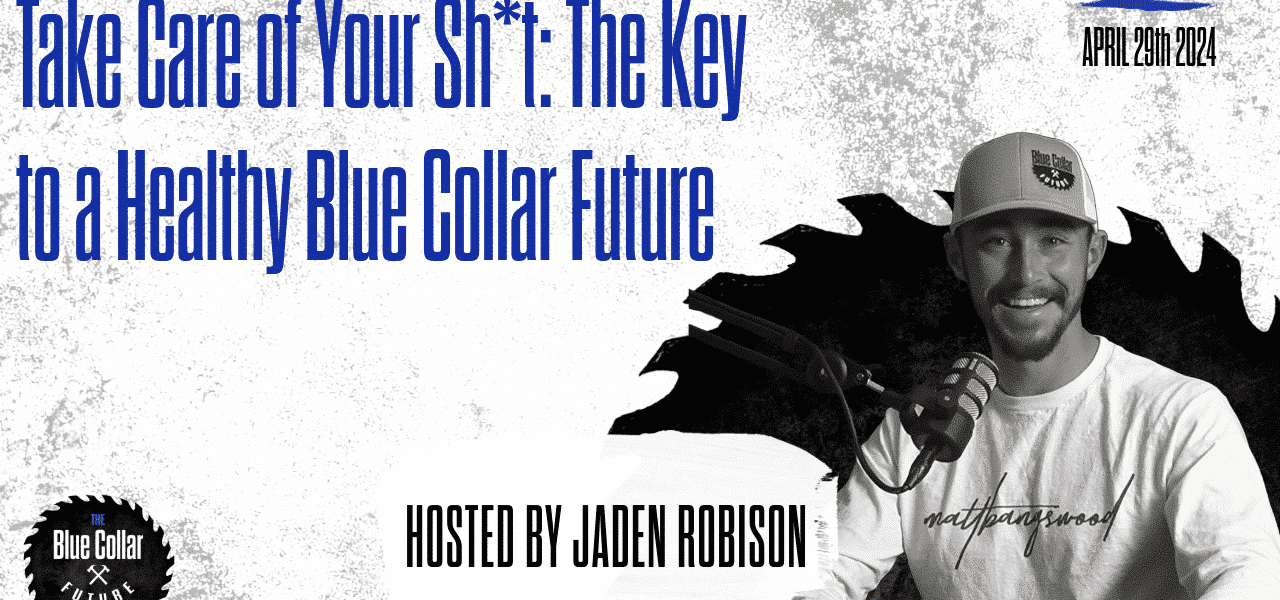
The “Blue Collar Future” podcast episode featuring host Jaden Robison offers a valuable dissection of common misconceptions about blue collar health within the workforce. Robison tackles the stereotype that trade work is inherently damaging to one’s physical well-being. He proposes that, contrary to popular belief, the correlation between trade work and poor health is often overstated and misplaced. Instead, Robison shifts the focus towards personal health habits and lifestyle choices that play a much more significant role in a worker’s overall health.

Key Takeaways:
- Lifestyle habits are a more significant indicator of health than the nature of one’s work.
- Progressive overload in workouts is beneficial for trade workers and encourages body strengthening.
- Recovery and well-being are deeply connected to sleep, diet, and hydration rather than occupational hazards.
Blue Collar Lifestyle vs. Occupational Strain
“A lot of people complain about their back… but they’re 50, 100 pounds overweight,” Robison comments, highlighting the dissonance between blaming the physical nature of trade work for health issues while neglecting the impact of lifestyle choices. Throughout his podcast, Robison emphasizes that the health problems often associated with blue-collar jobs are not a byproduct of the work itself but the result of poor diet, insufficient sleep, and inadequate hydration.
As Robison points out, “Blue collar lifestyle, the typical blue collar lifestyle doesn’t work,” he is not dismissing the challenges of physical labor. Instead, he encourages a reevaluation of daily routines that lead to detrimental health outcomes. His discourse suggests that health in the trade is less about the hazards of the job and more about the habits formed outside of it.
The Power of Exercise and Progressive Overload on blue collar health
Robison passionately argues that “Working out gives you energy,” challenging the oft-held belief that trade jobs leave one too drained to engage in additional physical activity. He advocates for the incorporation of exercise into one’s routine, emphasizing the concept of progressive overload for maintaining and enhancing physical capability regardless of age or years on the job.
“Progressive overload on your body kicks your body into gear,” explains Robison, debunking the myth that exertion through exercise will only exacerbate the fatigue and wear experienced on the job. By breaking down the science behind muscle building and recovery, he makes a compelling case for the resilience and adaptability of the human body when cared for properly through regular, incremental physical training.
Hydration, Diet, and Sleep: Pillars of Blue-Collar Health
Perhaps the most critical elements Robison addresses are those basic needs frequently overlooked: hydration, diet, and sleep. “People are starting to come around to the idea that your habits are extremely important in your life,” he states, emphasizing that recovery predominantly occurs during sleep which is disrupted by poor lifestyle choices such as alcohol consumption before bedtime.
Robison does not merely suggest that workers in the trades pay attention to these aspects; he insists upon it. Given the tangible wear and tear on the body that blue-collar work can cause, Robison’s argument that “your sleep is enough recovery” when all other health factors are suitably addressed is a powerful rejoinder to the prevailing wisdom that identifies the job itself as the sole culprit of ill health.
Towards Sustainable Health in the Trades
The synthesis of Robison’s podcast presents a potent argument for redefining health within the blue-collar sphere. His insights provide a roadmap that detours away from the passivity of blaming the occupational environment, leading instead towards proactive personal health management. The prioritized focus on self-care through exercise and the maintenance of healthy habits offers a refreshing and manageable strategy for workers to attain and sustain peak physical condition in an industry often marred by the misconception of inevitability regarding injury and deterioration.
Robison’s final words encapsulate the essence of the message he seeks to impart, “Take care of your body and it will take care of you.” This assertion functions not just as a rallying cry for those in the trades but as a universal principle applicable to all labor sectors. It underscores the notion that the body is a remarkable instrument capable of healing, growth, and resilience when provided with the proper care and attention. Check us out on instagram!