Key Takeaways
- Variety and specialization: The concrete industry offers numerous roles beyond just pouring and finishing, including concrete pumping, cutting, and laser screed operation.
- Working conditions: Early mornings and sometimes grueling schedules are typical, especially in commercial projects, but the pay can be substantial.
- Skill development: Both the form setting and finishing aspects of concrete work require specialized skills and offer significant opportunities for career growth.

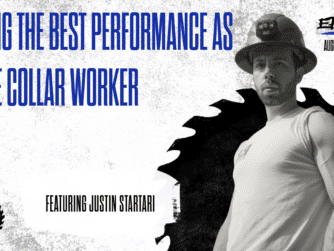
The Blue Collar Future podcast, hosted by Jaden Robison, recently launched a series dedicated to helping individuals choose a trade. This first episode delves into the world of concrete, offering insights on the workload, pay, and various sub-sectors within the industry. With a mix of hands-on experience and expert knowledge, Robison dissects the concrete trade to provide a comprehensive guide for anyone considering this line of work.
Understanding the Concrete Trade: Roles and Specializations
Concrete work is far more than just pouring and finishing slabs. Robison breaks down the trade into various roles, from concrete pumping to floor coating and operating machinery like laser screeds. This range of specializations offers a glimpse into the industry’s depth.
“There’s a lot more to the concrete industry than a lot of people think or realize,” Robison notes, emphasizing the multiple avenues one can pursue in this trade.
Among the many roles available, some include:
- Concrete Pumping: Moving concrete from the mixing truck to the work site.
- Concrete Cutting: A specialized sector focusing on cutting and removing concrete.
- Floor Coating: Applying protective and decorative layers to concrete surfaces.
- Laser Screed Operation: Using advanced machinery to achieve perfectly flat surfaces.
These roles reflect the industry’s diversity and the myriad opportunities for career advancement.
Working Conditions in the Concrete Industry
Concrete work often demands early starts and long hours, especially in commercial projects where timing is critical. Robison highlights the grueling yet rewarding nature of the job, sharing personal anecdotes and experiences.
“We start at six every morning… with commercial stuff, you see as most pours, if they’re a bigger pour, start no later than 4 a.m.,” he explains.
Commercial concrete work entails significant challenges, including harsh weather conditions and high stakes, given the volume of material used. For example, Robison shares an upcoming project involving a 550-yard pour starting at 10 p.m., illustrating the unpredictable and demanding hours.
“You are working with the concrete time. You’re not working on your own time,” Robison underscores, pointing out the inflexibility that comes with the territory.
Nonetheless, these conditions often translate into higher pay, with commercial concrete workers earning substantially more than their residential counterparts.
Developing Skills and Seeing the Results
One of the most rewarding aspects of concrete work is the visible and tangible results. From form setting to the final finish, concrete projects showcase the progression from planning to execution.
Robison enjoys the multi-faceted nature of the job, stating, “I like both because I like finishing, if it’s cool, and interesting stuff like stairs or like decorative applications. But I also like form setting on stuff that actually takes a lot of particular details.”
The expertise required in both form setting and finishing is substantial. Form setting involves detailed planning and precision to ensure the durability and stability of the final structure, while finishing can be as intricate as creating decorative patterns.
“It’s interesting to me to watch the form setting and then see the finish,” Robison says, capturing the sense of satisfaction that comes from completing a well-executed project.
Decorative concrete, for instance, allows for creativity and innovation. Techniques like exposed aggregate and stamped concrete offer unique finishes that can elevate the aesthetic quality of any project.
Broader Implications and Career Opportunities
The concrete industry is not merely about the physical labor involved; it offers extensive opportunities for growth and specialization. Robison explains that new entrants can start as laborers earning around $20 an hour and work their way up to foreman positions with six-figure salaries.
“You can start as high as $20 an hour… and you can make your way up to anywhere from $30 to $50 plus dollars an hour,” he emphasizes.
Moreover, the skills acquired in concrete work are transferable across various sectors of construction and beyond. The ability to manage time-sensitive materials and execute complex tasks is highly valued in many fields.
For those considering a career in concrete, Robison is ready to offer guidance and help direct them to specific roles that might suit their interests. Whether it’s the commercial sector with its higher pay and tougher conditions or the more flexible residential work, there is something in the concrete trade for everyone.
Understanding the nuances of concrete work, from the early morning starts to the intricate finishing touches, provides a holistic view of what this trade entails. Jaden Robison’s insights offer a clear and detailed guide for anyone looking to break into the concrete industry, highlighting its challenges, rewards, and vast opportunities for growth.
Follow Jaden on Instagram!